fetch01
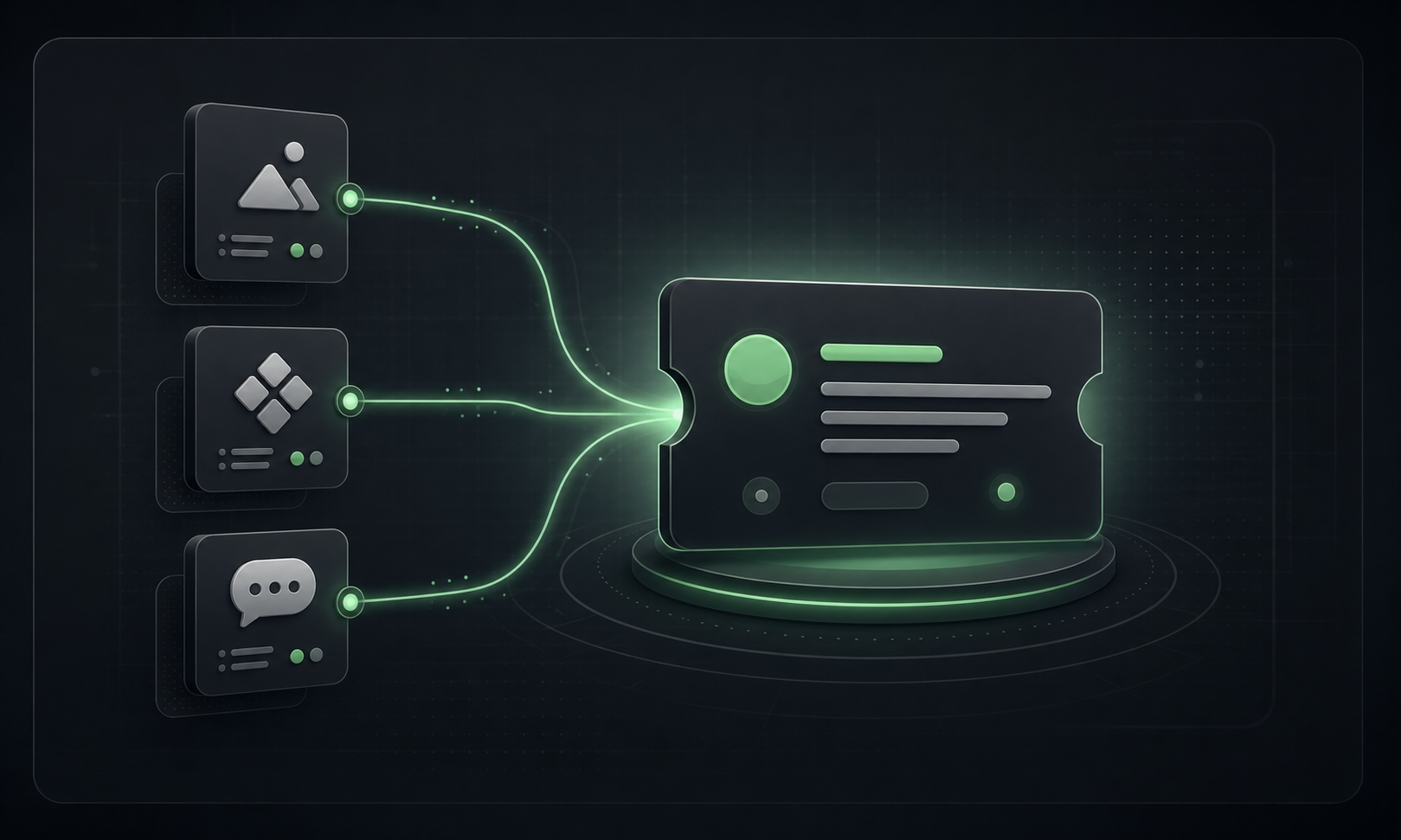
Issue polling
Autohealer watches the places your bugs already appear, then normalizes each alert into a runnable task.
Sentry issuesJira ticketsDiscord threads
Pull issues from different sources, run local agents, ship validated draft PRs, and get notified, all on your machine.
Open source · GitHub · v0.1.17
fix/sentry-482910 → main
fix auth middleware null check
+12 −3 · src/auth.ts
$ ▊
3 commits · autohealer watch backend
open pull requestinstall
curl -fsSL https://cli.getautohealer.com/install.sh | bashhow it works
Autohealer turns recurring issue triage into a local, reviewable pipeline. Bring your provider tokens, agent subscriptions, validation commands, and notification channels.
pipeline depth
6 stages / local-first / PR-ready
Autohealer watches the places your bugs already appear, then normalizes each alert into a runnable task.
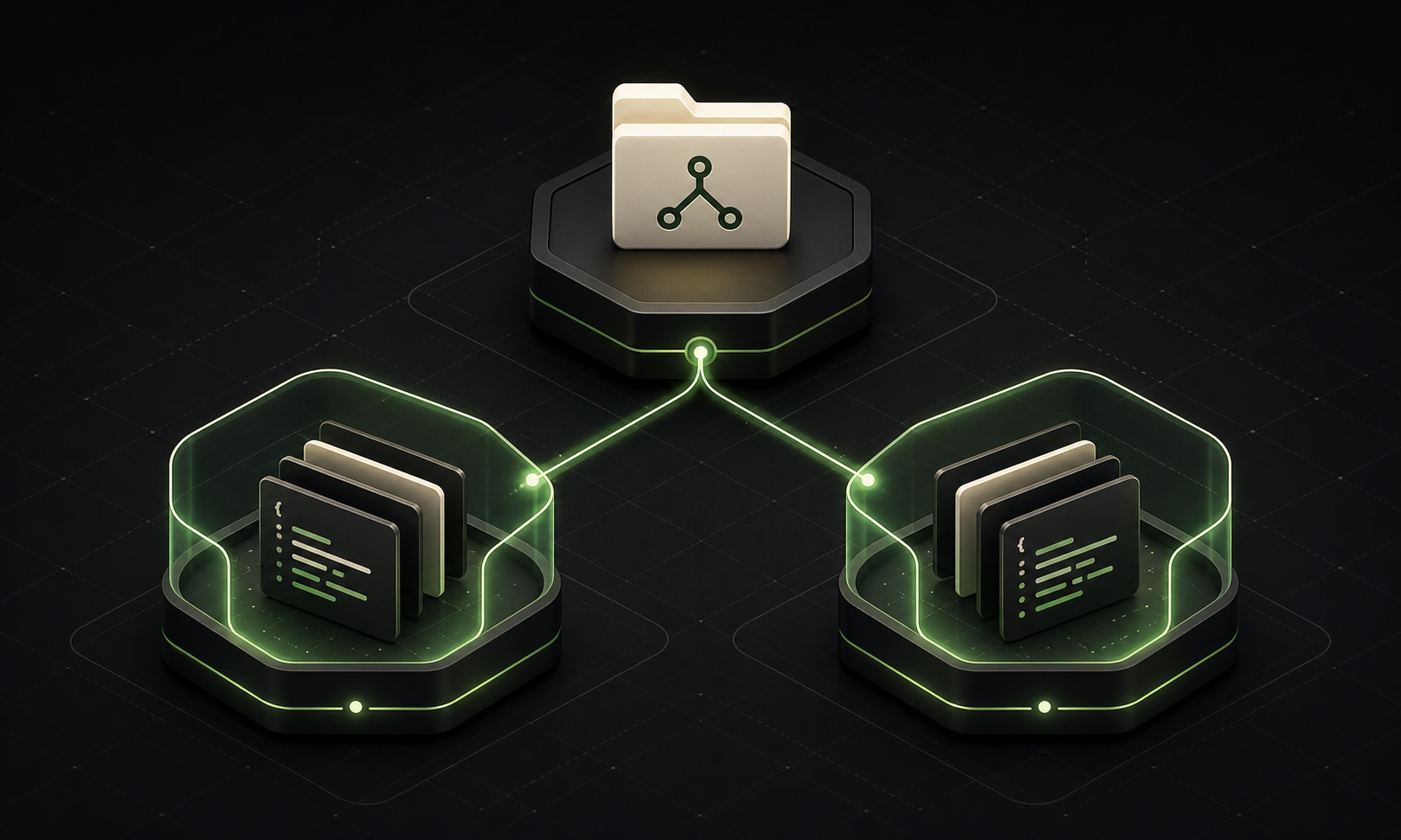
Every run gets a separate branch and working directory, so multiple fixes can move in parallel without colliding.
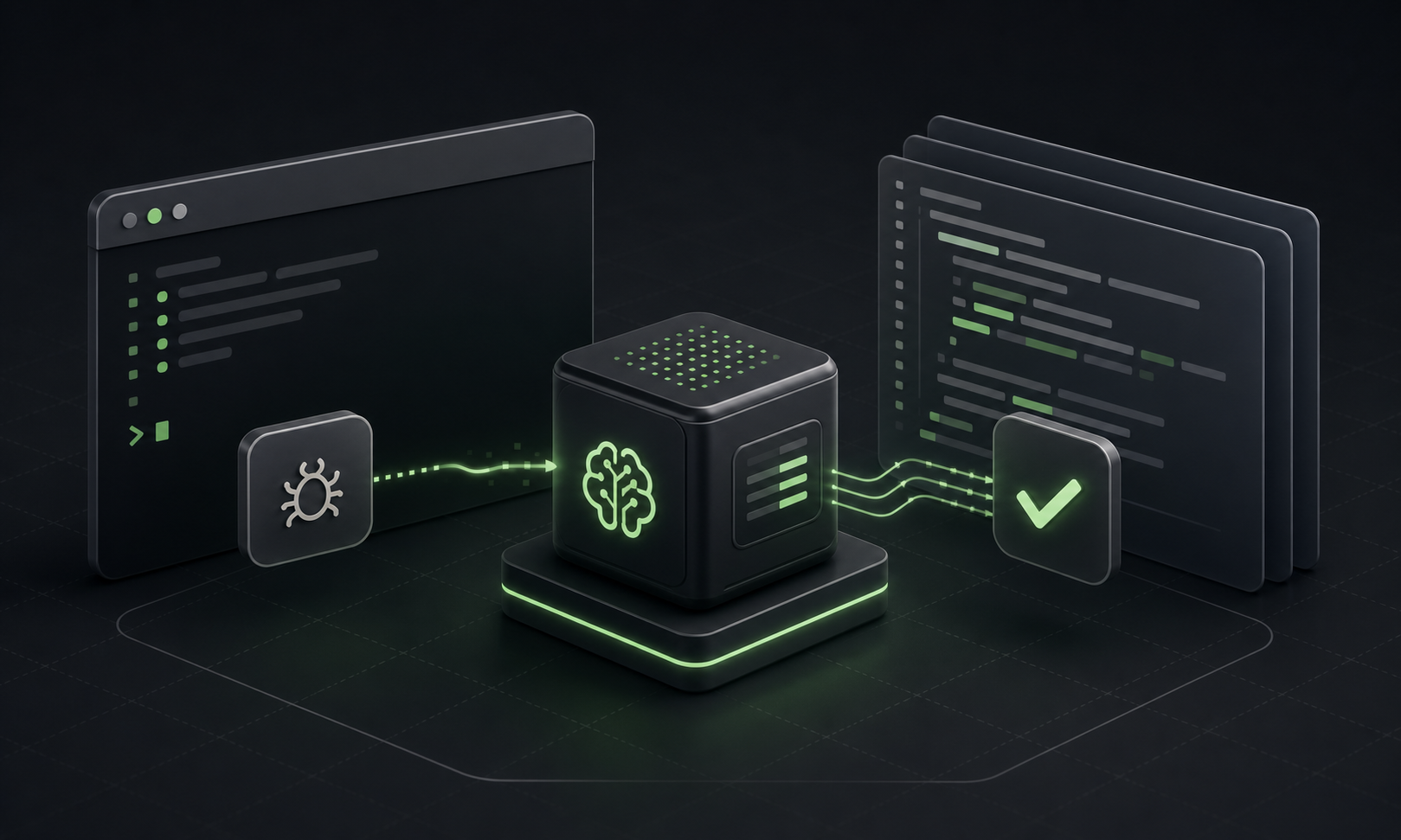
It calls the agent tools you already use on your machine, keeping code execution close to your repo and configs.
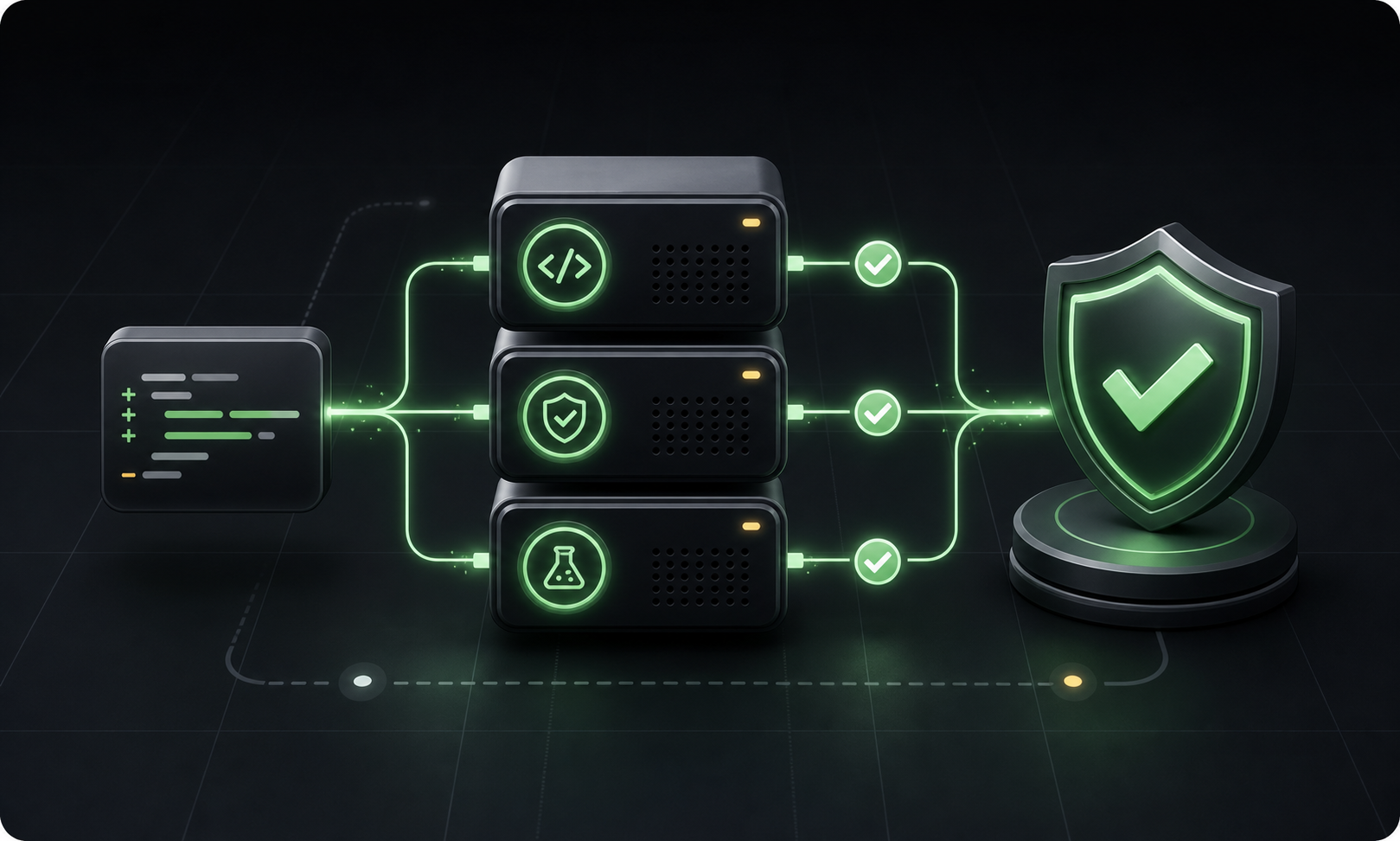
Configured checks run before review and shipping, catching broken patches while the context is still fresh.

Builder and reviewer agents iterate on the same patch until it passes both automated checks and review feedback.
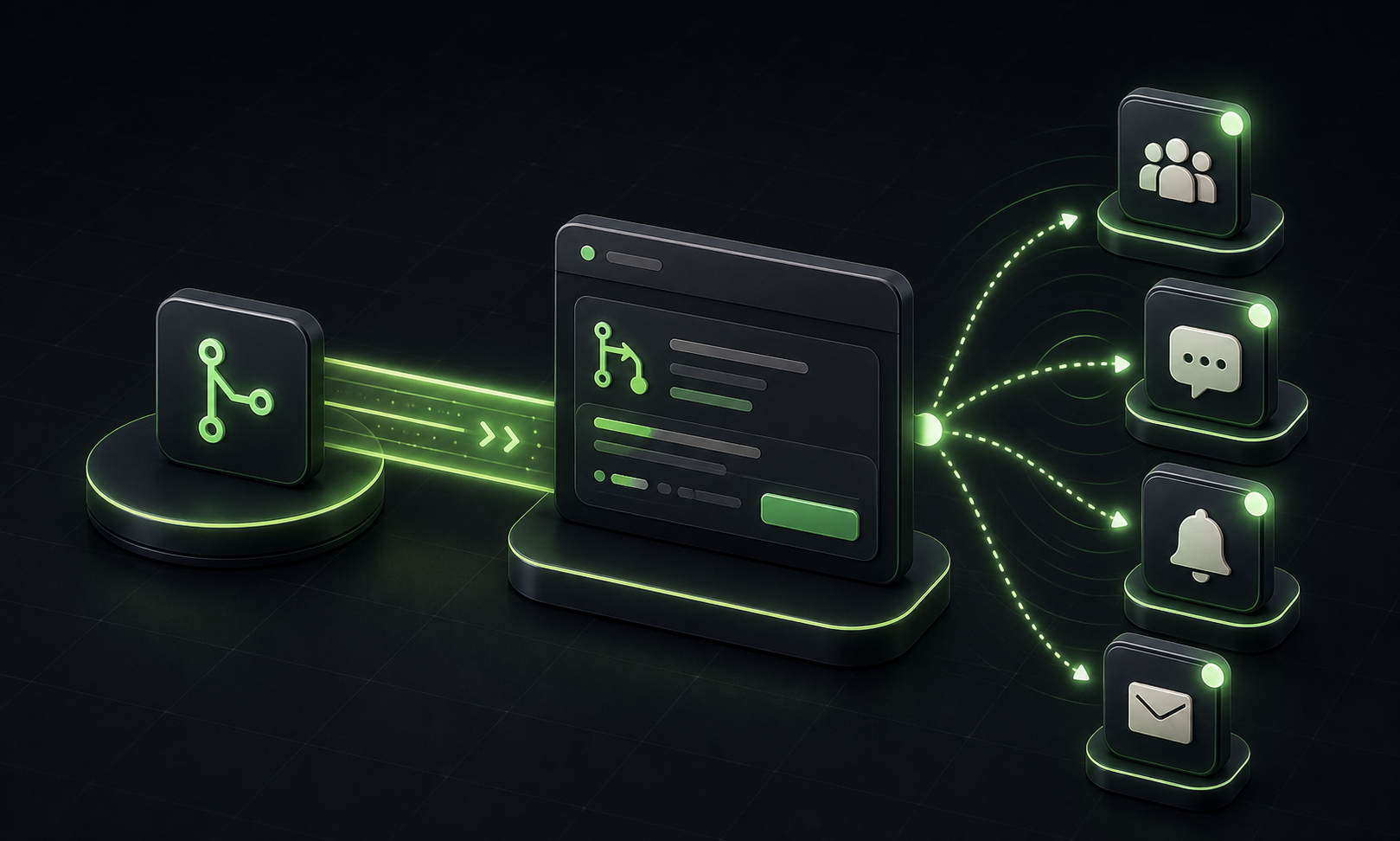
When the run is ready, Autohealer pushes the branch, opens a draft PR, and sends the right notification.
get started
Autohealer is free. Use autohealer login --local on any machine no account needed. Sign in here only for cloud features.
No. The CLI runs locally and uses your existing repo, provider tokens, and agent subscriptions.
Yes. The CLI is MIT-licensed on GitHub. Install from releases or build from source.
Discord webhooks and Telegram bots. Configure one or both per workflow in autohealer.yml.
Sentry, Jira Cloud, and Discord forum threads. Each workflow picks one source and one target repo. See the docs for provider setup.
Start with the installation guide or join the Discord community.
next steps
autohealer login && autohealer init
Authenticate, scaffold autohealer.yml, then run your first workflow.